AI Makes Technical Execution Cheap. Judgment Stays Scarce.
Hiring more developers or replacing them with AI agents leaves the same question unanswered: who will make the decisi...
5 min read
19.09.2026, By Stephan Schwab

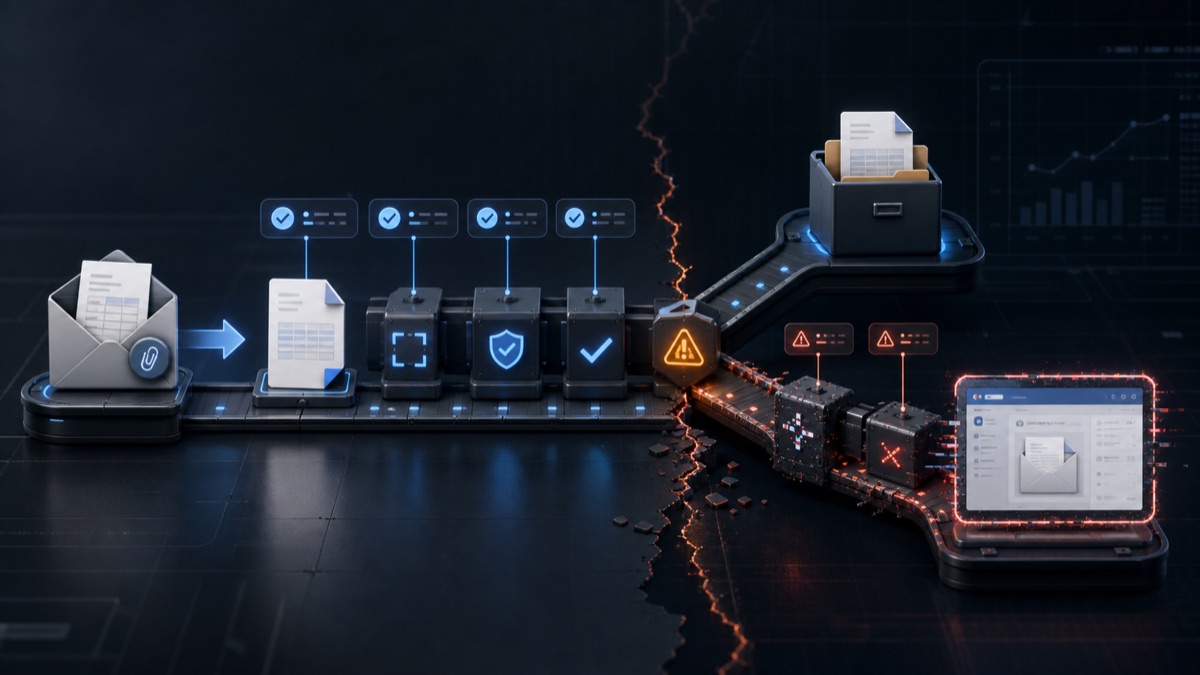
An LLM can solve a problem it receives, but it does not return tomorrow because an inconsistency still bothers it. Apparent continuity comes from ordinary software and human decisions that store evidence, schedule another run, define a trigger, and decide what remains unresolved. Knowledge workers do more than answer questions: they notice what is missing, carry exceptions across time, and return to problems others prefer to forget.
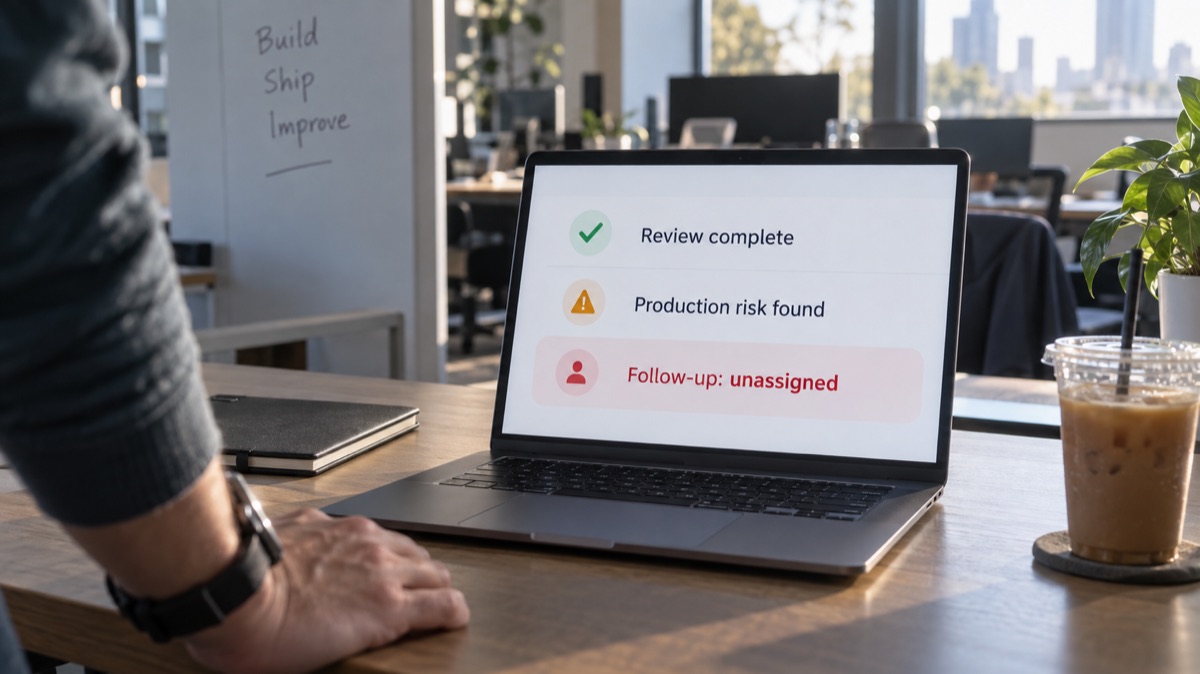
The model found a problem.
It mentioned the risk in paragraph seven. The human skimmed the response, used the recommendation, and moved on. Nobody created a task, changed a test, or scheduled a review.
The next morning, nothing happened.
No process was running to check the risk. The response had ended, and the system had no follow-up to execute. Much of the current replacement fantasy depends on overlooking that small detail.
Why does this customer keep reopening tickets that appear resolved? Why does every change touching billing take three times longer than estimated? Why does the software pass every test while experienced developers still distrust the release?
Someone noticed a mismatch between the official story and lived reality, then framed it tightly enough to investigate. The resulting question looks simple because expertise compressed the complexity before the model saw it.
Treating a fast answer as proof that the questioner is unnecessary is like firing the doctor because the laboratory produced the blood result quickly.
I recently needed to publish files from a GitHub workflow to a web server. The agent set up NGINX and proposed SSH for publishing. It would have worked, but the remote commands, paths, and permissions felt like too much machinery for transferring files.
Then I remembered WebDAV from “back then.”
I asked the agent about it. The answer changed immediately: the chosen NGINX setup already had the capability available. We could use a protocol designed for remote file authoring instead of assembling a deployment ritual around a remote shell.
That depended on the setup. NGINX’s HTTP DAV module is not built by default, and WebDAV still needs authentication, transport security, and scoped write permissions.
The point is not that WebDAV always beats SSH. It fitted this requirement better. The agent knew enough to explain and implement it as soon as I mentioned it, but had not offered it.
A younger developer could know the same protocol through a different route. My contribution was a memory from an earlier technology cycle, prompted by the suspicion that the first answer was solving the problem at the wrong level.
If I had accepted the first competent answer, the agent would have helped me implement it competently.
Models can volunteer problems. A code review can uncover a defect outside the changed lines. An agent with access to customer records can notice an unusual silence, retrieve an old remark, and create a follow-up task.
Give it memory, a scheduler, and suitable tools, and it can return tomorrow. It may follow up more reliably than an overworked human.
Good. Build that when the problem warrants it.
The continuity comes from stored evidence and running software. Anthropic’s account of long-running agents describes agents leaving progress records for later sessions. The model helps choose what survives; the next session needs those records to continue.
But storage alone does not preserve meaning. A summary can keep the conclusion while deleting the doubt that should have changed it. A task can say “completed” while the experienced operator remembers that the customer accepted the workaround only temporarily.
If neither the evidence nor a useful record survives, the next run has nothing reliable to retrieve. Trusting a chat thread to carry responsibility is optimism with a scroll bar.
An agent can select metrics, propose thresholds, and book its next appointment. Someone still owns its access, budget, escalation path, and the consequences of a missed warning. A scheduled return does not settle whether the right concern reached the calendar.
Management counts documents written, tickets closed, code produced, and hours saved. If a model can generate the visible output, the role appears redundant.
The invisible work never enters the spreadsheet.
Who remembered that the supplier’s data becomes unreliable at quarter end? Who noticed that three harmless customer complaints described the same failure? Who returned to the temporary workaround six months later?
Those people were maintaining the organization’s capacity to notice.
Humans forget plenty. They miss signals and rationalize bad decisions. But professional concern can survive the moment a task closes. An operations worker checks again after the dashboard turns green because the recovery looks too clean. A developer leaves the desk still turning an awkward dependency over in her mind.
Organizations rely on this constantly while pretending they do not.
The one-person AI company concentrates that responsibility in one operator. Agents can expand what that person can do. They cannot ensure every missing question gets asked.
That is why a replacement can look successful for months.
Use AI to investigate, challenge assumptions, and follow through. Make the continuity explicit:
This is why continuity belongs in code, tests, and durable records. A fluent expression of concern is no guarantee that anything will happen after the response ends.
LLMs make answers cheap. That raises the value of noticing the anomaly, choosing the question, and refusing to let a convenient answer close an inconvenient problem.
If the agent returns tomorrow, the software arranged the return.
Who notices the problem nobody arranged for it to remember?
Tell me what is happening. I listen, ask a few practical questions, and reflect back what I see: where the risk may sit, what may be blocking delivery, and what looks worth checking next. No pitch, no obligation. Confidential and direct.
Talk it through. Practical reflection, no pitch.
Start a ConversationTelenovelas show what we can't say in client meetings. The drama is heightened, but the patterns are real.
 Documentation Avalanche
The forty-seven questions from Passau become a daily occupation. Stefan finds a gap the navigation team cannot investigate without Marcus's approva...
Embedded into your team as an active contributor, reducing delivery friction and helping important work move cleanly.
Peer-style technical assessments before far-reaching decisions; reduce architectural and product risk early.
Ship working software to real users earlier. Measure impact and adapt based on evidence rather than assumption.
High quality, maintainable software. Short-term augmentation that leaves lasting capability in your own team.
Visibility and hands-on delivery
Navigator gives your leadership clear insight into patterns, blockers, and capacity. Our Embedded Delivery Partner writes production code with your team and gets delivery moving.